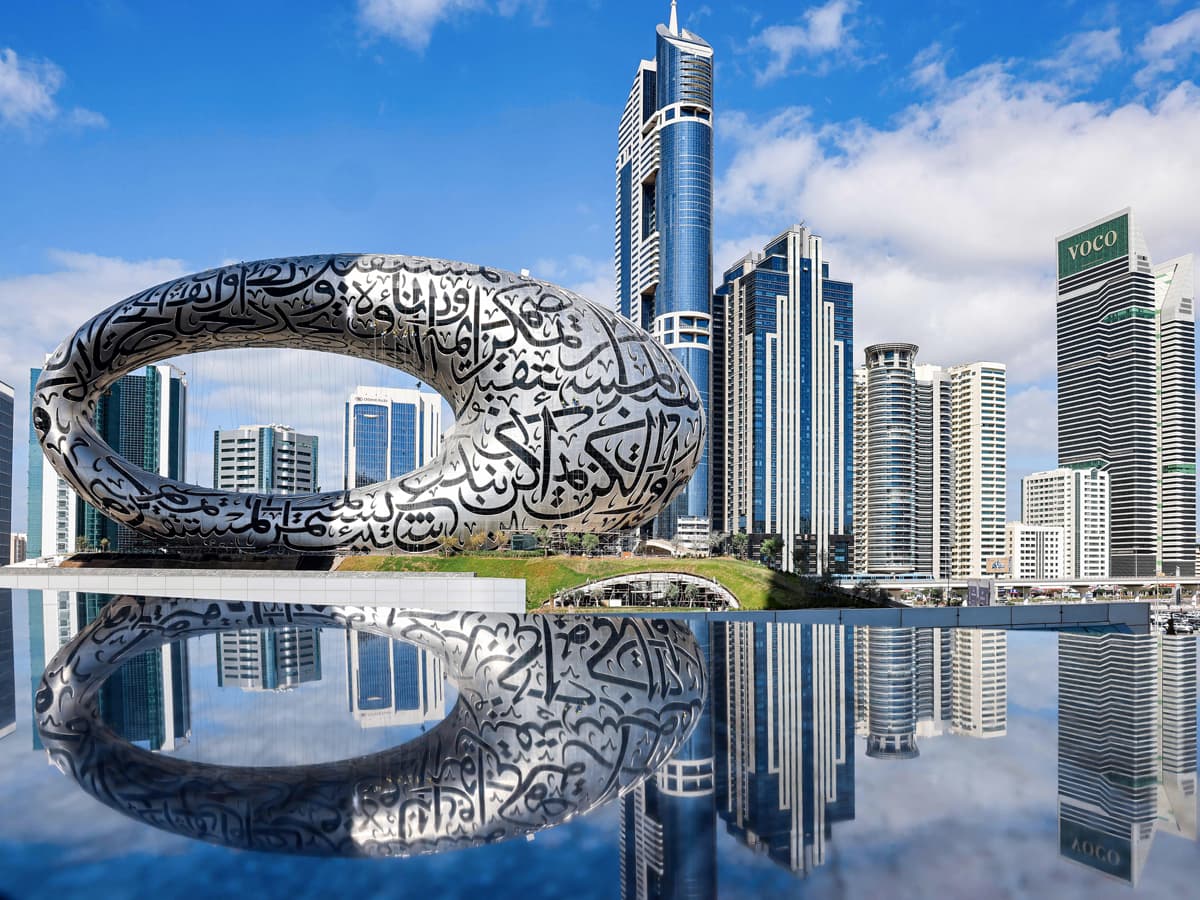
Museums of the Future: Digital Collections and NFT Art
Museums have always reflected their times — from classical collections of painting and sculpture to exhibitions dedicated to industrialization and postmodernism. However, in the 21st century, the art world is rapidly transforming under the influence of digital technologies, and museums are not standing aside. Traditional exhibitions are being replaced by virtual tours, interactive halls, and digital collections that can be explored without leaving home. One of the key directions has become NFT art and blockchain technologies, which are reshaping the very understanding of authorship and ownership of artworks.
From Halls to Screens: How Museums Are Going Digital
The COVID-19 pandemic served as a catalyst for the digital transformation of museums. When gallery and exhibition doors were closed to the public, institutions began looking for new ways to interact with visitors. This led to the emergence of online exhibitions, 3D tours, and augmented reality projects, allowing millions of people around the world to continue engaging with art.
This trend turned out not to be temporary. Today, even major museums like the Louvre or the British Museum are actively investing in digital platforms, while many institutions in the Czech Republic — for example, Národní galerie Praha — are incorporating online events and digital archives into their programs. This approach not only expands the audience but also attracts a younger generation accustomed to interactive content consumption.
Interestingly, a similar format is gradually taking root in other sectors as well. For instance, online entertainment such as gaming or online casino has become a logical extension of this digitalization of leisure. People are increasingly seeking experiences and emotions in digital space — whether it’s a virtual museum tour or playing at a virtual table.
What Are NFTs and How They Are Changing Art Perception
NFTs (non-fungible tokens) are unique digital objects authenticated using blockchain technology. Unlike regular digital images, each NFT has its own history, authorship, and value, which may vary depending on collector interest. In the context of art, NFTs have become a new method for acquiring and showcasing works.
Artists who previously struggled with having their works copied online now have the opportunity to sell digital creations with verified authenticity. Buyers can not only own the token but also display it on virtual platforms — just like traditional art collectors organize exhibitions or lend paintings to museums.
Czech artists have not been left behind. Some modern galleries in Prague and Brno have already begun collaborating with digital platforms, releasing NFT versions of artworks and holding virtual auctions. Moreover, museums have started building digital collections — for example, by creating NFT copies of their exhibits to provide access to a global audience.
NFTs in Museum Practice: Examples and Prospects
Pioneers in NFT adoption include the Museum of Modern Art in New York and the Uffizi Gallery in Florence, which have released tokens based on digitized versions of masterpieces. In the Czech Republic, similar initiatives are being supported by independent art platforms and private collectors seeking new ways to present their collections.
NFTs allow museums to tackle several tasks at once: digital preservation, increased access, engaging younger audiences, and even securing additional funding through token sales. Some projects also incorporate gamification — for example, users can “collect” digital fragments of a collection, similar to an online game. This approach is similar to formats familiar from zahraniční online casino, where engagement and personalization play a key role.
Virtual Tours and Metaverses: The Next Step in Museum Evolution
The next logical step is the metaverse — digital worlds where users can not only visit exhibitions but also interact with art objects in real time. Platforms like Decentraland and Cryptovoxels already offer virtual galleries where NFT owners display their tokens to the public.
Czech museums and artists are beginning to explore this format, albeit cautiously. But the prospects are clear: the absence of geographical limitations, the ability to create a unique user experience, and full immersion in the art process. Moreover, it provides opportunities for integrating new interaction formats, including digital tours, quizzes, auctions, and more.
Challenges and Risks of Digitalization
However, not everything is straightforward. Critics of NFTs and digital museums point to several risks: blockchain market volatility, technical complexity for the average user, and the issue of preservation and long-term access to digital objects. There’s also the philosophical question: is a digital token a “genuine” piece of art, or merely a copy?
Museums must strike a balance between innovation and cultural heritage preservation, between accessibility and authenticity. Achieving this requires not only a solid technological foundation but also openness to experimentation, willingness to collaborate with IT companies and startups, and the trust of the public.
The Future of Art Is Hybrid and Multilayered
Digital collections and NFTs are not just a trend but part of a global process of rethinking culture and its role in modern life. In the coming years, we will see more hybrid formats: exhibitions combining VR, NFTs, holographic projections, and even interactive elements borrowed from the world of online entertainment. Museums of the future will become not only repositories of art but also spaces for interaction, education, and experimentation.
Such an approach opens new horizons for both viewers and curators. The main goal is to preserve respect for culture and history amid this digital diversity, making art more accessible to everyone.