Improvisation in Performing Arts: Freedom or Risk?
Improvisation is not just a creative element but one of the boldest and most controversial tools in a performer’s arsenal. It is used by musicians, actors, dancers, and comedians to break free from patterns and create something unique right before the audience’s eyes. However, such spontaneity demands the highest level of skill and control. What seems like creative freedom to one artist may spell failure for another. So how appropriate is improvisation in professional art, and how can one strike a balance between spontaneity and discipline?
What Is Improvisation and Why Is It Debated?
Improvisation is the creation of artistic content on the spot, without prior preparation. In performing arts—whether theater, music, or dance—it holds a special place. For some artists, improvisation is the ultimate form of freedom and self-expression; for others, it’s a potential threat to quality and artistic coherence.
Historically, improvisation existed long before rigid scripts and musical scores. In jazz, for example, improvisation is a fundamental pillar of the genre—it simply wouldn’t exist without it. In theater—especially in commedia dell’arte and modern improvisational theater—it serves as a way to interact with the audience in real time. Yet, despite its rich tradition, debates around improvisation persist: where does art end and chaos begin?
Musical Improvisation—Dialogue or Solo?
Music is one of those fields where improvisation can fully unfold. This art of instant melody, harmony, and rhythm creation requires not only a sense of style but deep involvement in the moment.
Jazz and Classical—Two Sides of the Same Coin
Improvising musicians operate in a constant state of creation. In jazz, they treat music as a language, conversing with other members of the ensemble. Every riff, every phrase is a reaction to what’s happening right then and there. This approach demands enormous skill and sensitivity to context.
In classical music, the attitude toward improvisation is more cautious. Modern classical performance mainly relies on strict adherence to written scores. However, during the Baroque period and even into the 19th century, improvisation was standard practice. Bach, Mozart, and Beethoven were not only composers but also brilliant improvisers. Today, the academic world is showing renewed interest in reviving this tradition, especially in the interpretation of early music.
Theatrical Improvisation—Risk or Energy?
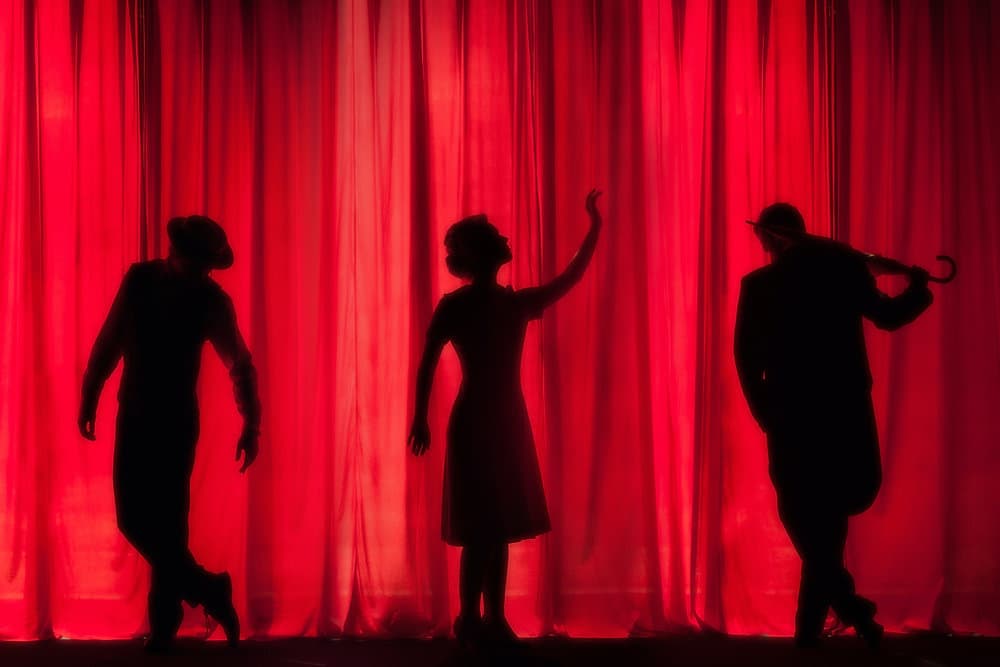
In theater, improvisation opens up a world of possibilities for the actor: it allows for a livelier performance, the ability to adapt to the audience, and even the opportunity to go off-script. Yet within this freedom lies the danger—an inaccurate line or a wrong tone can ruin a scene.
From Stand-Up to Dramatic Productions
In theater, improvisation can be both a source of inspiration and a stumbling block. On one hand, it allows actors to respond dynamically to the audience, adjust to unexpected situations, and add unique elements to a performance. In the Czech Republic, for example, improvisational shows are quite popular, with the audience directing the plot. This creates a sense of participation and unpredictability.
On the other hand, improvisation in serious drama demands strict discipline. Without precise coordination with fellow actors and awareness of the production’s boundaries, things can quickly descend into chaos. Even within experimental formats, freedom has its limits—the actor must know where deviation is acceptable and where structure must be maintained.
Dance and the Freedom of the Body: How to Improvise Through Movement
Dance perhaps offers the most direct form of improvisation—through the body. Here, spontaneity is fused with physical control, and improvisation can be either solo or collective.
Contact Improvisation and Contemporary Forms
Contact improvisation, which originated in the U.S. in the 1970s, is based on the idea of physical dialogue between dancers. Shifting weight, reacting instantly, and bodily interaction all make each performance unique. In the Czech Republic, this form has also gained popularity, particularly within independent studios and art spaces.
Even in more formal genres like contemporary ballet, improvisation is used as a tool for discovering new movements. Choreographers often begin with improvisational tasks and then build structure from the material that emerges. Here, improvisation isn’t the end product—it’s the method.
Why Artists Choose Risk
Improvisation requires a high degree of confidence, quick thinking, and a deep understanding of the art form. The performer is exposed in front of the audience—there’s no room for error, yet this is what generates a special tension, magnetism, and energy.
Moreover, improvisation fosters creative thinking. In an age where even the stage is becoming increasingly digital and standardized, the ability to break the script is no longer a luxury but a necessity. This is particularly true for young Czech artists, who are increasingly incorporating improvisational elements into traditional art forms in their pursuit of greater freedom and authenticity.
Conclusion: Freedom Within Boundaries
Improvisation in performing arts is not just about freedom—it’s about freedom grounded in structure and context. It’s a continuous search for balance between inspiration and craftsmanship. In skilled hands, it becomes a powerful expressive tool, capable of bringing a performance to life, touching the audience, and pushing the boundaries of the genre.
For Czech audiences, who are increasingly drawn to experimental formats and interactive performances, improvisation may become an essential part of the cultural dialogue. The key is not to fear risk, but to remember the meaning from which everything begins.