From Museum Halls to Digital Reels: The Enduring Art of Slot Machine Design
Few objects bridge industrial heritage and modern entertainment as clearly as the slot machine. Once displayed in saloons, now exhibited in museums and reimagined on digital screens, these devices tell a story that connects craftsmanship, pop culture and the evolution of gaming itself.
Part One: The Museum Legacy of Mechanical Gaming
Long before digital interfaces, slot machines were handcrafted objects built with the care of fine furniture. Today they are treated as serious cultural artifacts — and their design language still shapes the themed titles players enjoy online.
The Aesthetic Evolution of the “One-Armed Bandit”
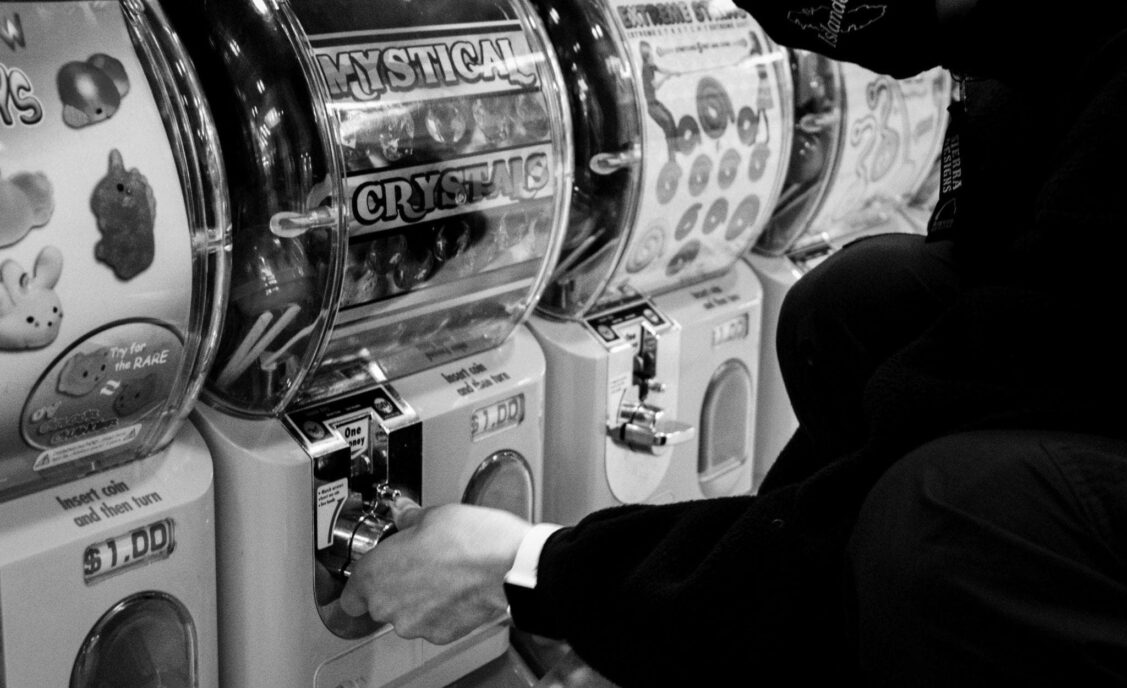
The nickname alone tells you something about the mix of fear and fascination these machines inspired. But for design historians, the real story is in the details — how each decade reshaped the look, feel and character of the slot machine.
For years, the intricate devices found in early entertainment halls were seen as purely functional tools. Over time, historians and curators recognised them as masterpieces of 20th-century industrial design. From heavy cast-iron models of the late 1800s to the chrome-plated units of the 1950s, these machines mirror the artistic movements of their time, including Art Nouveau and Art Deco.
Charles Fey’s 1898 Liberty Bell — considered the first true three-reel slot machine — is now a celebrated museum piece. Only four original units survived the 1906 San Francisco earthquake, making each one a rare artifact of early industrial creativity. That same visual legacy — the three reels, the iconic symbols, the satisfying moment of alignment — still shapes modern games, including branded pop-culture slots. Platforms such as gry-hazardowe-zadarmo.com/marvel-casino-bonus-bez-depozytu curate these themed titles and list no-deposit offers that let players experience the same sense of anticipation Fey first engineered more than a century ago.
The Golden Age of Mechanical Craftsmanship
If the earliest slot machines were experiments, those that followed were showpieces. Manufacturers competed not only on mechanics but on how impressive their cabinets looked on a bar top.
In the pre-war era, machines were made from heavy iron and hand-carved wood, with scrollwork that rivalled fine furniture. Built to last, they represent the peak of industrial production before mass-produced plastics took over — proof that even commercial objects could be canvases for artistic expression.
Art Deco and the Neon Revolution
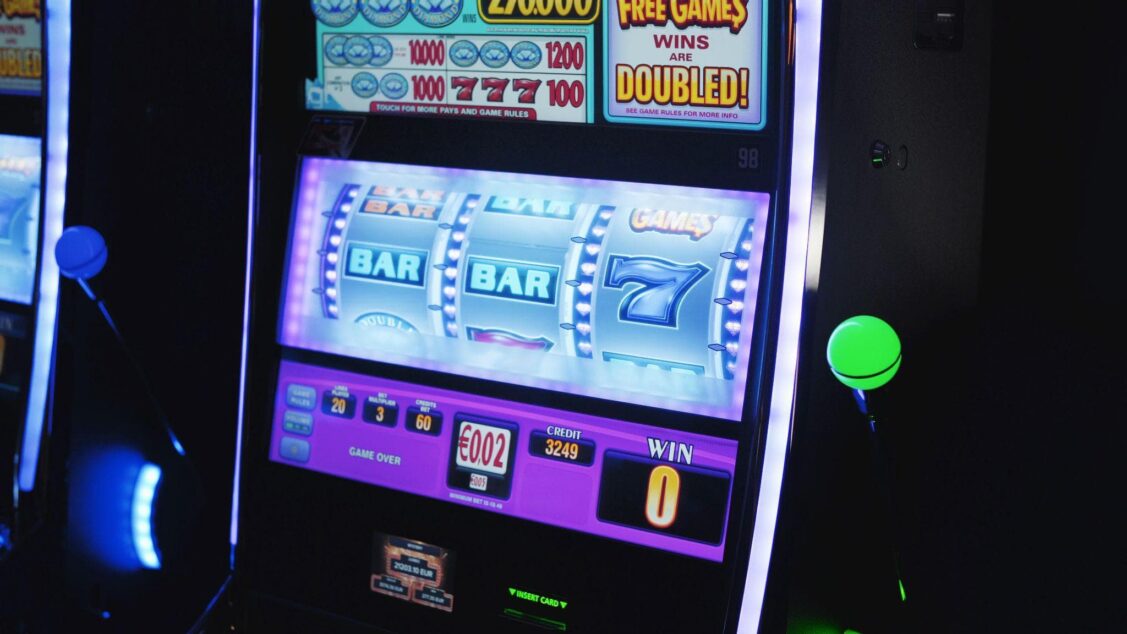
The 1930s changed everything — not just for slot machines, but for how industrial objects looked across the board. The era’s obsession with speed reshaped the visual language of gaming.
Design shifted toward Streamline Moderne — a style inspired by aerodynamic shapes. Manufacturers turned to polished aluminium and bright glass panels to suggest optimism and progress. Today these machines appear in design galleries as clear examples of how pop culture aesthetics echoed the architectural trends of the decade. The SFO Museum’s “Games of Chance” exhibition traces exactly how this stylistic evolution unfolded across multiple decades.
Part Two: How Design Heritage Lives On in Modern Casino Games
The shift from mechanical to digital didn’t kill the aesthetic traditions of the past — it amplified them. What today’s players value shows how directly the DNA of vintage machines still shapes modern gameplay.
From Physical Reels to Cinematic Software
Today’s online slots inherit the same visual DNA: three-reel layouts, iconic symbols, satisfying spin animations and a clear moment of reveal. What changed is the canvas. Modern software lets designers build themed worlds around any concept imaginable, from ancient mythology to blockbuster pop culture. Branded slots based on superheroes, cinema and global franchises let players engage with familiar visual traditions through sharp graphics and immersive sound — a clear extension of the excitement that once filled mechanical gaming halls.
The Cultural Bridge Between Then and Now
What makes the connection between museum pieces and modern online slots more than just a marketing angle is genuine continuity. The same questions that drove Charles Fey in 1898 — how do you create anticipation, how do you reward a win visually, how do you make a machine feel alive — still drive today’s game designers. The tools are different, but the craft is the same.
Collectors, historians and casino enthusiasts often cross paths because of this. A vintage slot auction can attract modern game developers looking for inspiration, while online communities discuss both the restoration of a 1950s Mills Black Cherry and the release of a new Megaways title. Both audiences recognise that slot machine design is a living tradition.